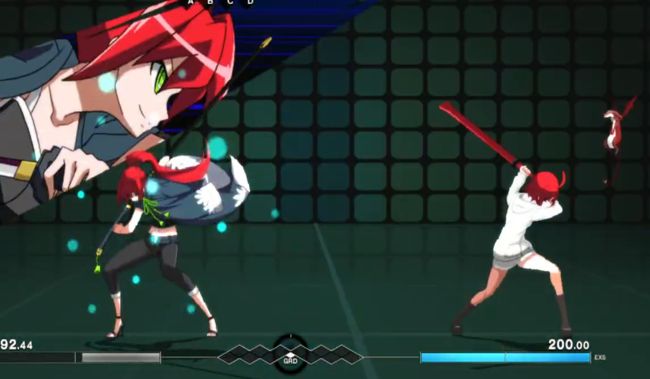
I Just Opened a fighting game for the first time, What do I do?
How to give yourself some direction when opening your first fighting game

When you open a fighting game you`ll be prompted with a cool intro, appealing title screen, then at least 4 or 5 different ways to experience the game for the first time. While this autonomy is great, these games often don't give you any direction, and while some (albeit rare these days) don't have tutorials, don't be surprised if a fighting game's tutorials are buried in a submenu that isn't immediately visible, or if a tutorial isn`t as helpful as it should be.
Fighting games are made up of two main features: their system mechanics, and their characters, And while you can't change the system mechanics, your character is yours, and only your choice to make. The character is the lens you see a fighting game through, will shape your experience, and hopefully be a major source of motivation as you learn. When people decide to play their first fighting game, it's often a character or multiple characters that draw them in. A great first step when you open your first fighting game for the first time is to choose a character, and maybe you already had one in mind.
So how should you pick a character? What I recommend is probably a lot simpler than you think. While many new players would immediately look at a tier list, I believe this is bad for two main reasons.

The tier lists you will see often don't apply to the beginner skill level. For example, Chaos in Under Night is considered one of the worst, or the absolute worst character in the game (writing this about one year into UNI2), but chaos is a big gate keeper and is extremely effective at a beginner and early intermediate level. And inversely, characters that could be very high in a tier list, could be very weak at lower levels, which tends to happen to characters with higher execution requirements and/or low health.
This also applies to the unique attacks and tools a character has. For example, tactics that are knowledge checks (something that requires specific knowledge to counter), are often stronger at lower levels. System mechanics and movement can be stronger at lower levels too, for example jump-ins are stronger at lower levels due to the players of that level not being super used to anti airing yet, or not knowing how to get good reward off of hitting an anti air.
And some tools are weaker too, for example, using delayed normals or shimmying (depending on the game you play) to crush delay tech option selects. That kind of tool in your repertoire won't come in handy if the people you are playing haven't yet learned what an option select is yet. But, this will affect the discrepancy on the tier list, as on a tier list something like a character's risk/reward on OS crush can make them stronger than other characters. If you're new, you don't need to know what an OS is yet, this was for example.

The other reason is that even after you're no longer a beginner, you don't need a tier list to pick your characters, but if you're really torn of deciding between two or more characters a tier list can be a good tool to weigh your options. I will go into tier lists and matchup charts in another post. People tend to pick characters at an intermediate level based on which tools the characters have that they value, what archetype the character is, and most importantly how much they like the aesthetic and vibe to the character.
All this being said, how do you choose your first character? The easiest option is if a character drew you into buying the game in the first place, give that character a try. If you don't have a character that drew you in like that, look at what character you think is the coolest, and take others opinions with a grain of salt, as they are likely in a different skill level than you or are just talking nonsense.
The hardest situation is when you think two or more characters are equally cool looking. If you really can't decide, I recommend you watch some match footage, see which character's style matches your vibe the most. Replaytheatre.app has tons of match footage for most games, or search for tournament footage on youtube. After you pick your character make sure you pick your favorite color too.
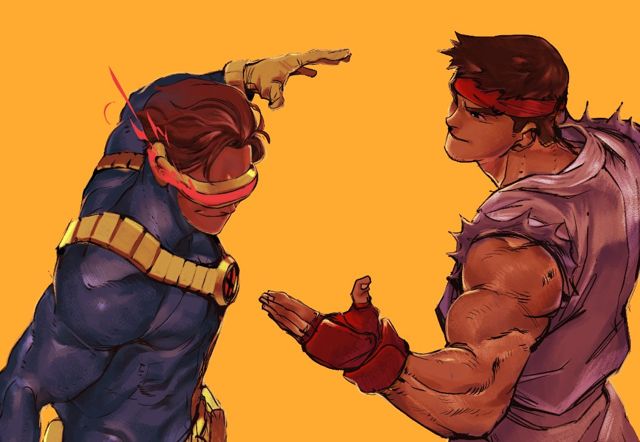
So after picking our character, what now? Once you're invested in your character, If your game has a tutorial, play it. You might have to play the protagonist of the game for the tutorial, but in game starting tutorials go over system mechanics so it makes no difference. After the tutorial, hop into training mode with your new favorite character and press some buttons.
See if the controller layout feels good or bad, and if you want to you can open up the pause menu, go to “button settings” or “controller setting” if you play on controller and “keyboard settings” if you play on keyboard. There you can edit all the controls you want to make your perfect layout. I recommend you don't get your layout from someone else, and If you play on PC you should do your layout through the game rather than steam input. Remember you can always change your layout later.
Press all the buttons and watch what normals(non-special moves) your character does, press them while crouching, and while moving left, right, down left, and down right to see if your character has different command normals (attack button plus direction, sometimes includes crouching normals) in those directions. You want to test these yourself, because it's not uncommon for normals to not appear in a command list.
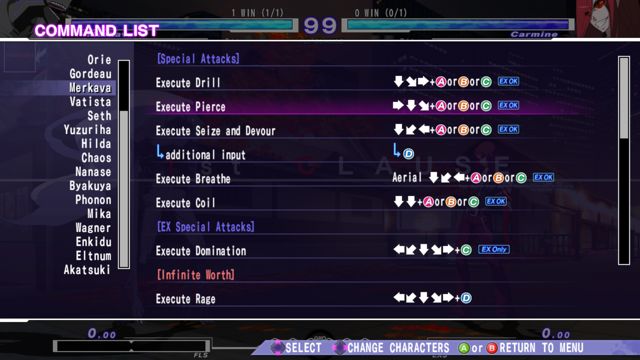
You can see your specials in the command list, but you don't have to try them yet. The inputs for them might look jarring, but after getting used to them it will be like clock work. Keep in mind that you don't need special moves to play the game, and there is no time limit to when you have to learn them.
Hopefully you enjoy how your character feels! But remember you can always change your character later if you need.
Congratulations on picking your character. At this point you can decide between a few recommendations. You could play a single player mode with your character (arcade/story tends to be a game's definitive singleplayer), you can remain in training mode and learn more about your character, or you can try to play online (Not recommended yet). I think you should do either a mix of the first or second, or just the second if you want to play online as fast as possible.
Single player modes are fun for getting a feeling of what the game and your character feels like, but CPUs don't play anything like people at all, and they aren't good for learning how to fight people. This Is just an exercise to get more used to piloting your character.
Remaining in training mode is useful for playing against real people, but when you're new it isn't as fun as arcade, and you miss out on your character`s story which can deepen your connection to them. In training mode you can learn how to input your characters specials, and some bread n` butter combos (bnbs).

About learning combos.
Combos tend to be what people who don't play fighting games think is the most important thing about fighting games. It's very rare that combos are the difference between winning and losing a game, as they are just one tool your character has. Before you hop online, I recommend you have a combo that goes into a hard knockdown (when your opponent's face hits the floor). It doesn't have to be more than a couple hits and it doesn't have to do a ton of damage, all you need for now is the Utility of a hard knockdown, which will let you run some offense on your opponent.
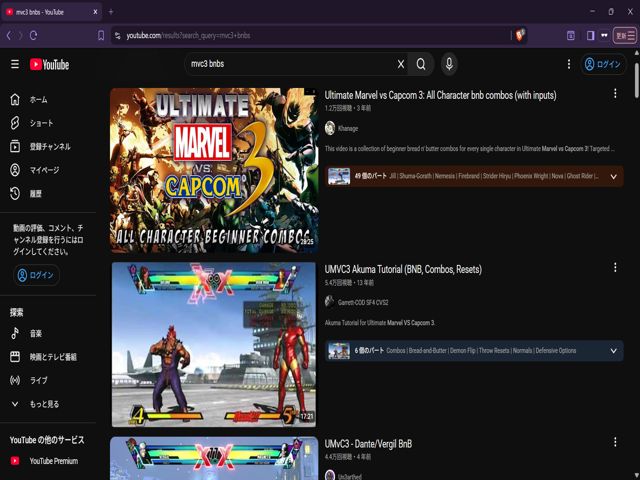
If you want something harder, you can look up some of your character`s bnbs. You can find this on wiki pages like Dustloop wiki (GG, BB, GBFV, DBFZ, P4AU, and more), Mizuumi Wiki (UNI, MBTL, MBAACC, Skull Girls, VSAV, and more), Supercombo wiki for streetfighter, Dreamcancel wiki for SNK games, and Wavu for Tekken (I think? The old Tekken site got shut down). As of writing this video Invincible VS is in beta and I'm not sure if there are detailed wikis yet. Click on your character, go to the combos section, and look for “beginner combos” or “bnbs”. If you can't find stuff there, look up bnbs for your character on youtube.
Your early online experience
When you enter your games network/online menu, the two typical options are Ranked and Casual, or Room/Private Matches. In any game with both ranked and casual you can learn, as long as there are people playing. While it's getting less and less common, there are games where everyone plays on ranked, but barely anyone plays on casual. This is normally due to the old standard of casual being the same as ranked, but without points being at stake. Games have been deviating away from the old status quo in order to make the Casual option something very different from ranked, which is a great idea. Guilty gear has the park servers, and Street fighter has the battle hub, both which I think are great features.
It's not better to start with either one, and you should trust your better judgement on what to try first. Don't put yourself in the box of a “ranked player” or “casual player”, if you want to, play both regularly. I briefly learned Street Fighter 6 to get my opinion on the game, and while I spend the majority of the time getting to master as fast as I can in ranked, I did play some tournament in the battle hub to earn currency for unlocking character colors. It was a lot of fun and something I remember from the game the most.
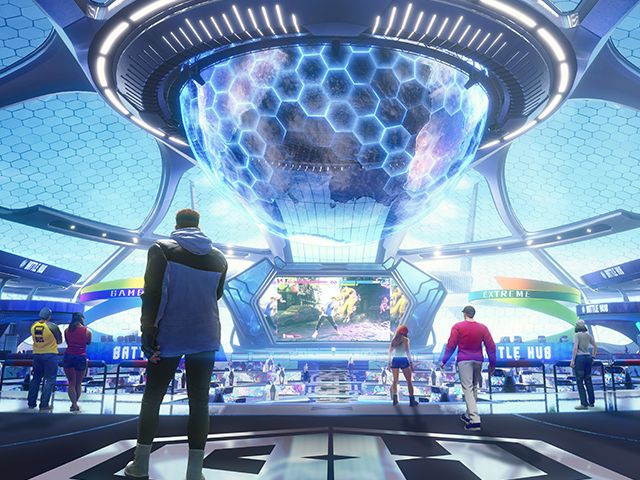
Congratulations! You're a fighting game player now.
You're going to have tons of fun and learn so much along the way! Remember you can learn as fast and as slow as you want, and you can be comfortable and happy at whatever skill level you want. I heavily insist you please send me an email to strawberrykiwiclub@gmail.com telling me the game and character you picked, and why you picked them. I want to be invested in your fighting game journey and be sure to send me a screenshot of what color you picked. It means a lot that you read my article, and if we share a game in common maybe we can play sometime.